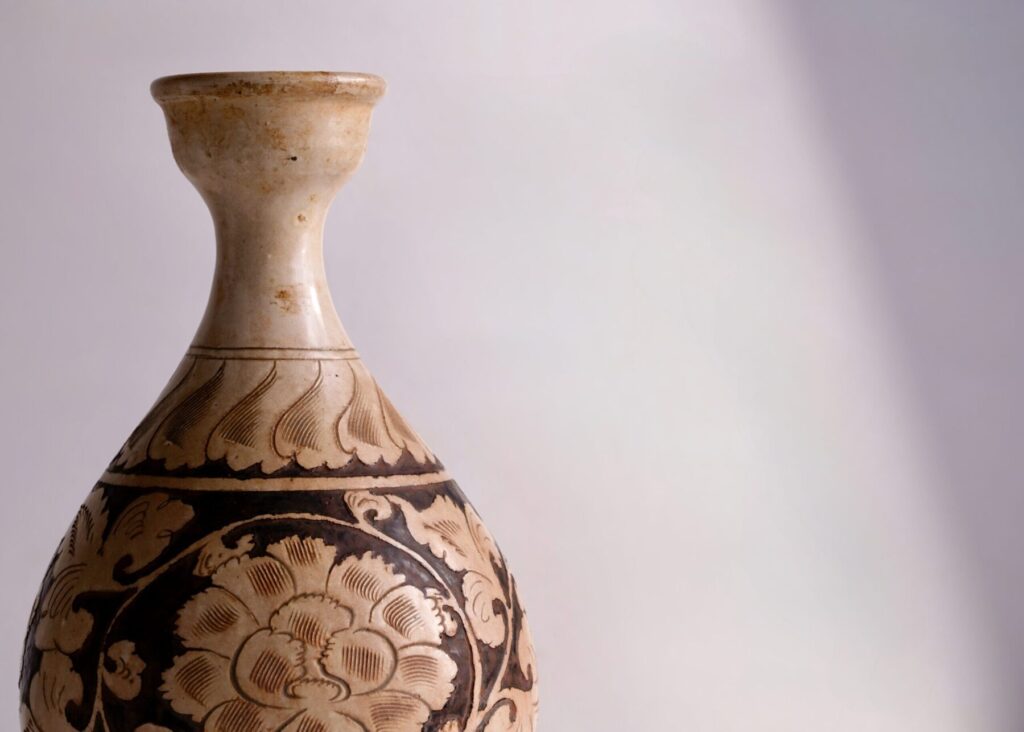
Song Dynasty Ceramics — Elegance in Simplicity
The Song dynasty (960–1279) is often regarded as the golden age of Chinese ceramics, a period when artistry, refinement, and philosophy converged to create some of the most admired wares in history. Unlike earlier dynasties that often favored bold shapes and vivid decoration, Song ceramics are celebrated for their simplicity, elegance, and subtle beauty. Their forms drew inspiration from nature — lotus blossoms, gentle waves, and smooth river stones — emphasizing quiet harmony rather than ostentation.
Shape and Craftsmanship
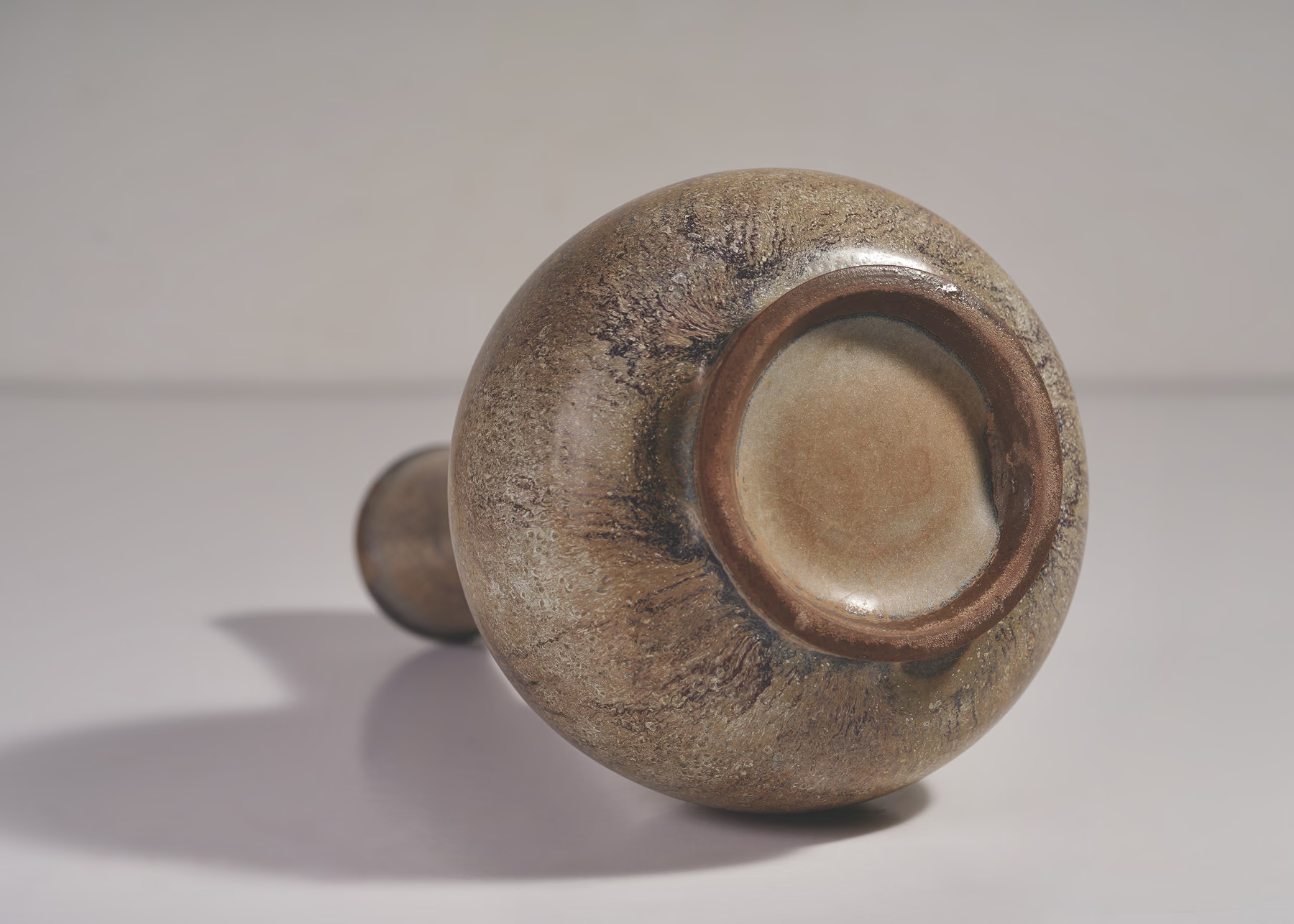
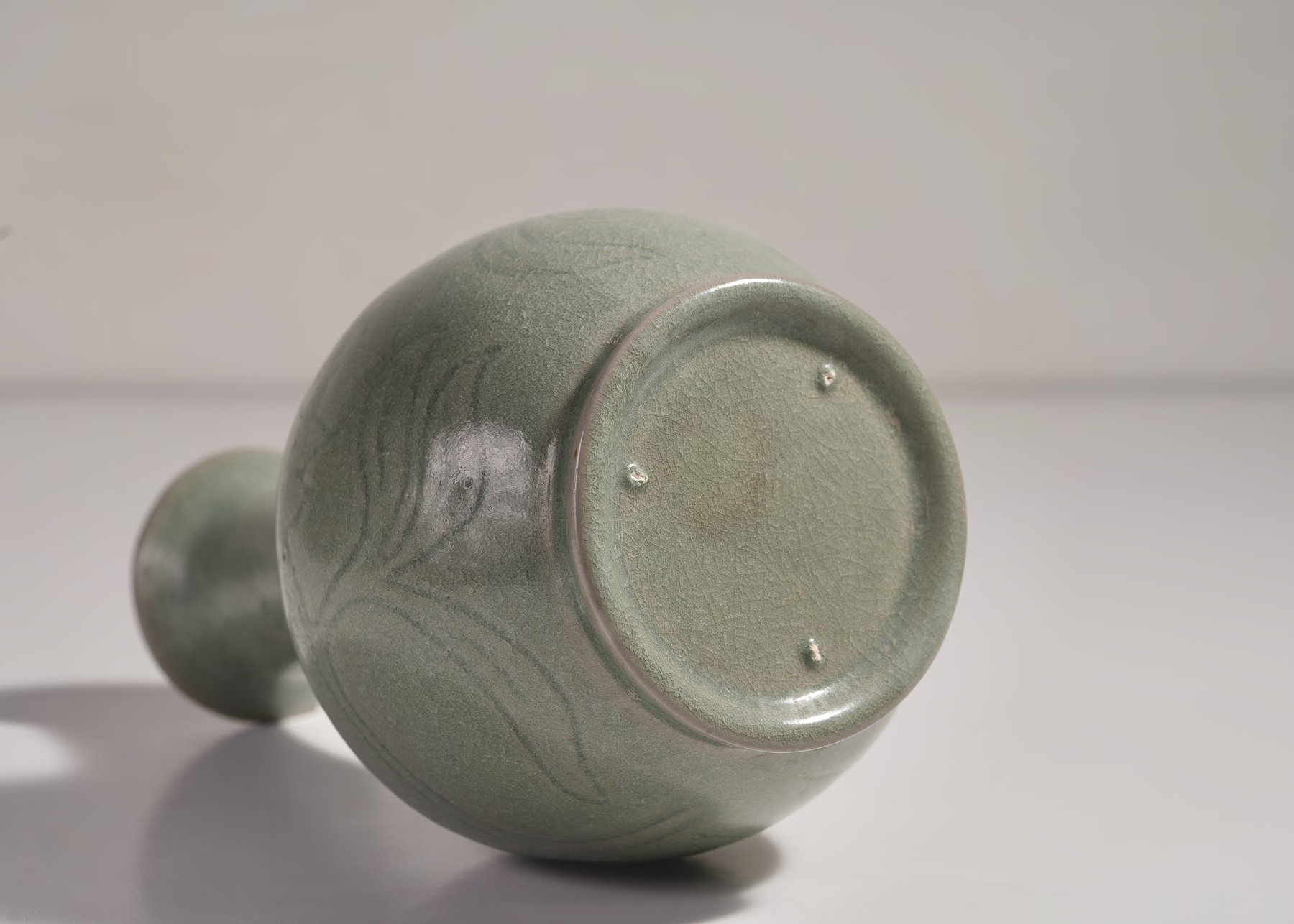
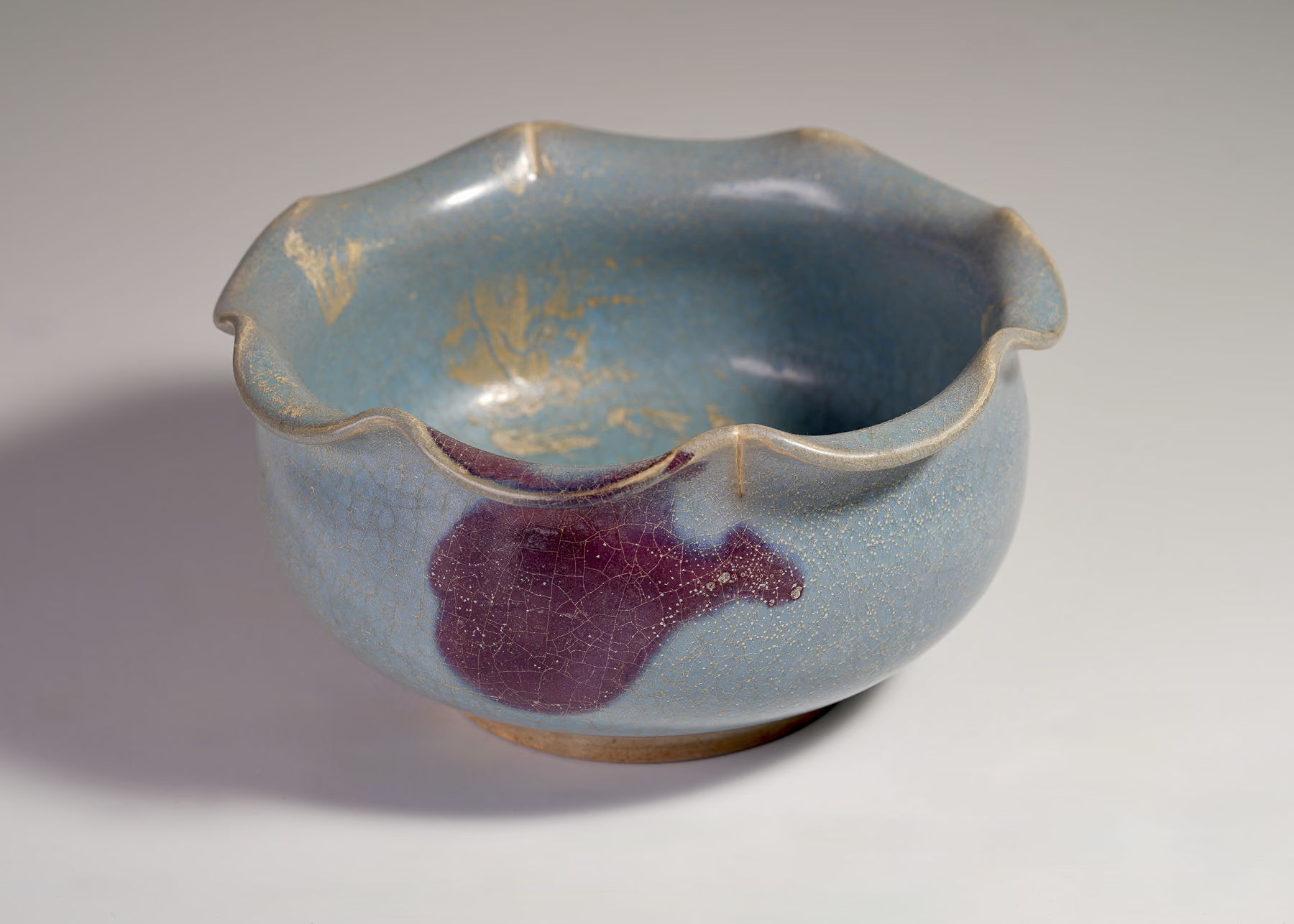
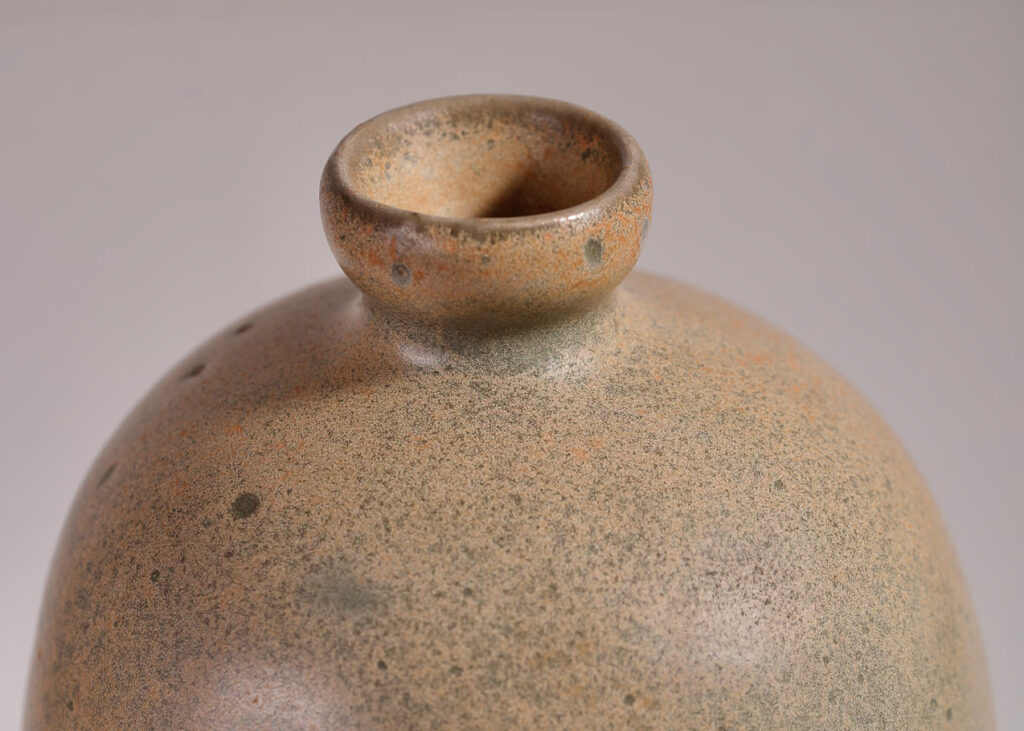
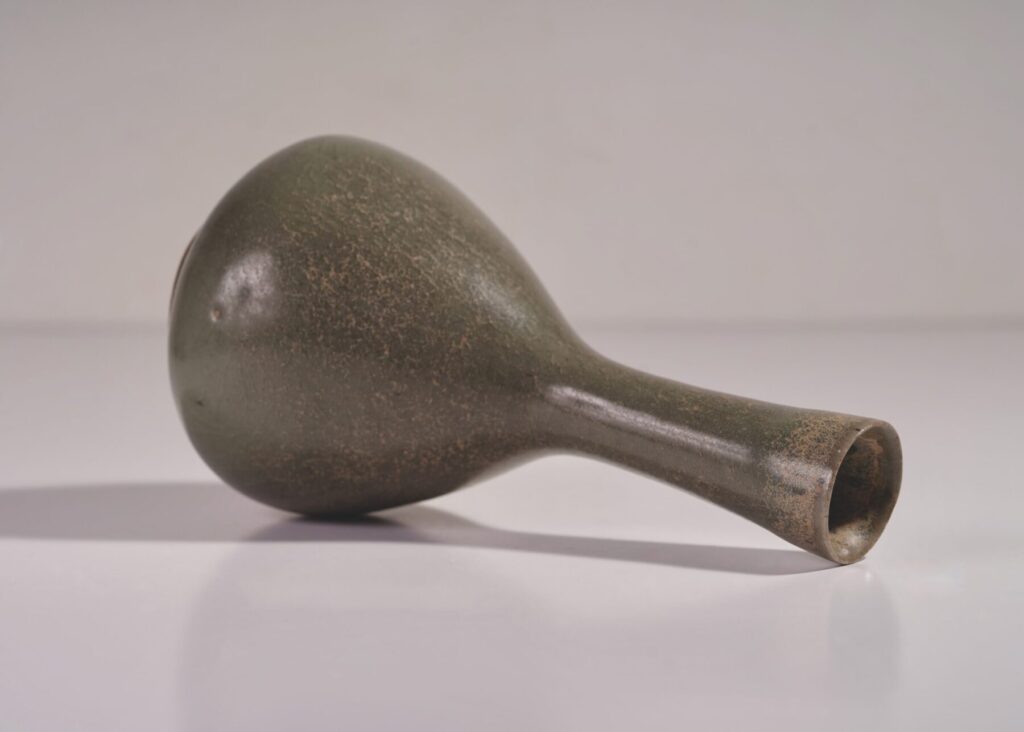
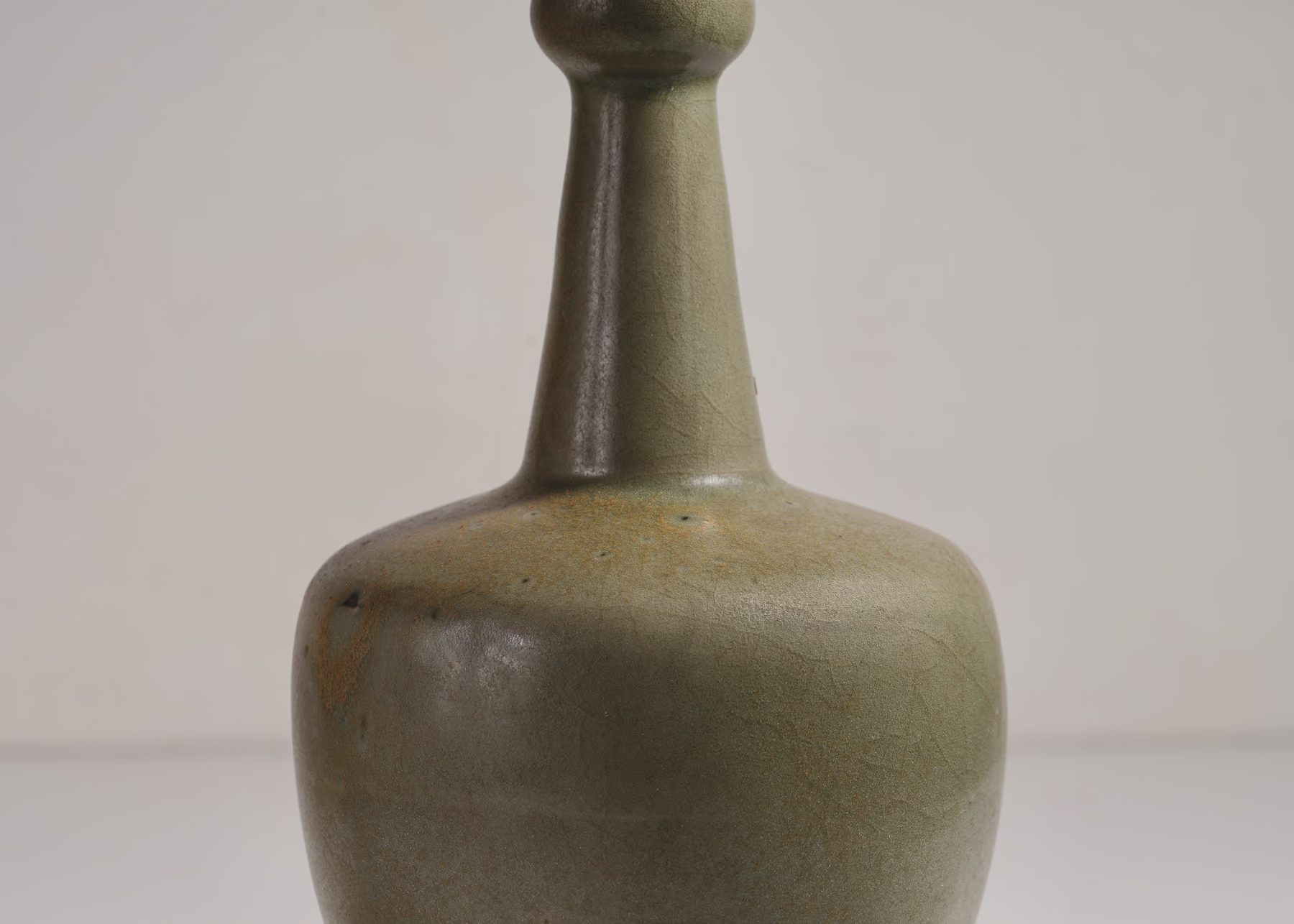
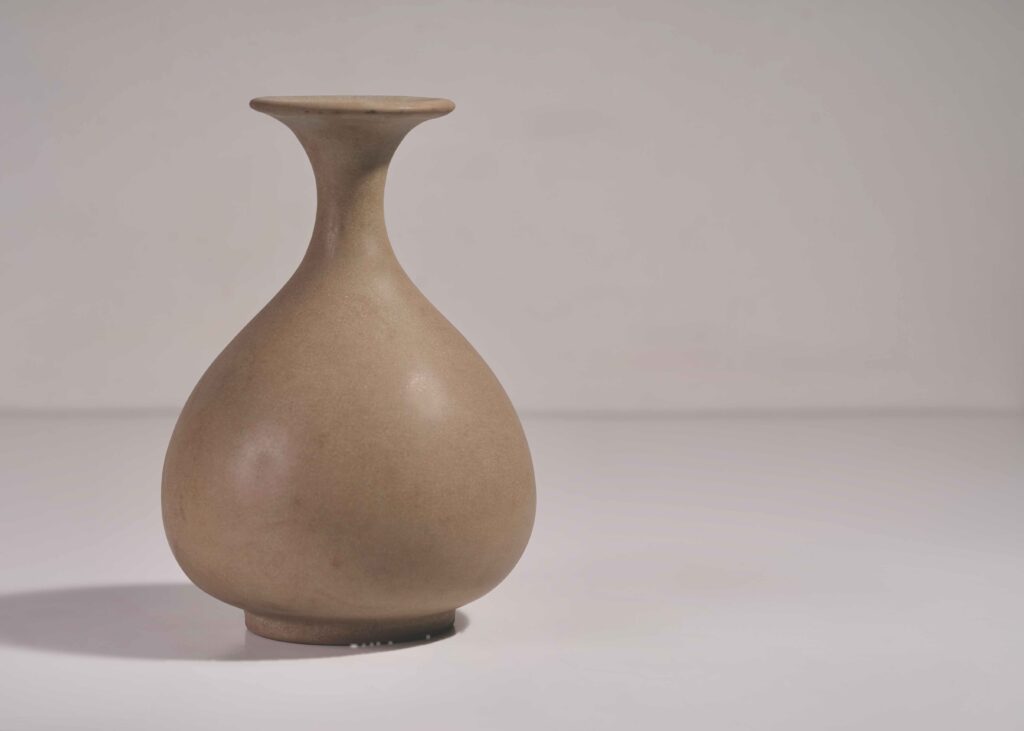
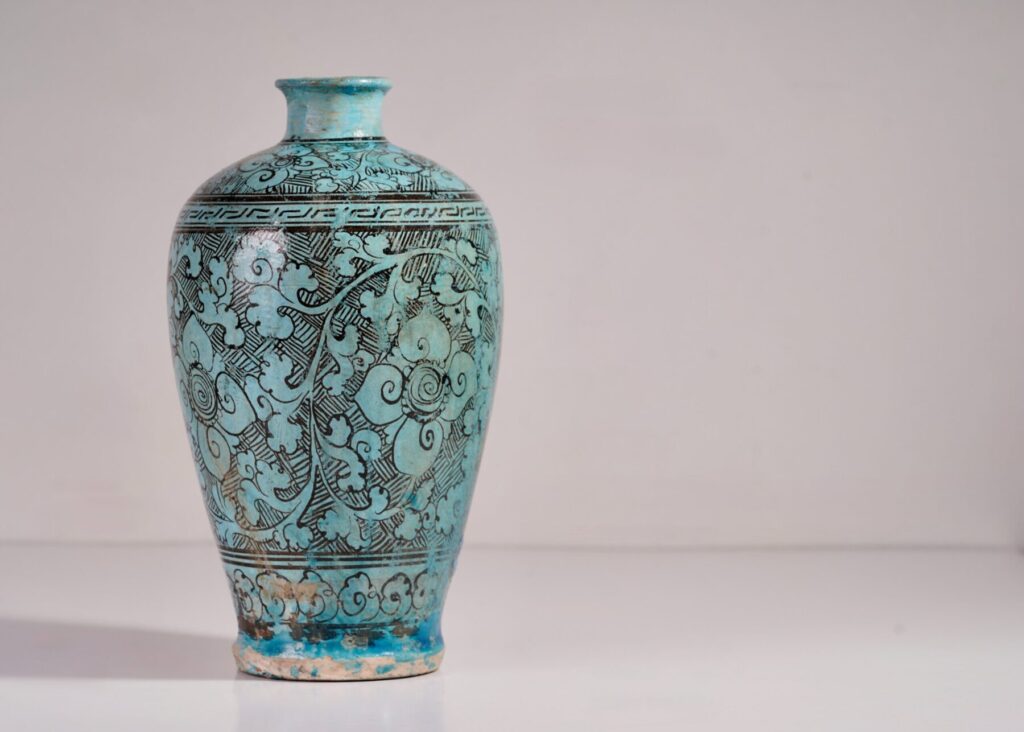
Song vessels reveal an extraordinary sensitivity to form. Bowls, vases, dishes, and tea wares were designed not merely as functional containers but as refined expressions of cultural ideals. Shapes were smooth, balanced, and harmonious, with graceful curves that echoed the natural world. The craftsmanship ranged from the thin-walled precision of Ding ware to the monumental, rustic strength of Jun wares, while Ru pieces embodied delicate restraint. Each vessel was an exercise in proportion, where subtlety was elevated to the highest aesthetic.
Decorative Features
Decoration in the Song period was deliberately understated, allowing glaze and form to take precedence over elaborate ornament. The famed Ru kiln achieved the legendary “sky after rain” blue glaze, often accented by fine crackle. Jun ware astonished with flambé splashes of purple and red, created through unpredictable kiln transmutations. Ding ware, admired for its creamy white surface, often featured finely carved or molded motifs of flowers and animals, with rims left unglazed and bound in metal. Guan ware, established for the Southern Song court in Hangzhou, was celebrated for its jade-like glazes with bold, dramatic crackle networks, while the elusive Ge kiln became legendary for its “double crackle” pattern of golden and iron lines.
Historical Value
Song ceramics represent the perfect fusion of artistry and philosophy. What earlier potters might have seen as flaws — crackle lines, muted tones, irregular surfaces — were here embraced as part of the vessel’s life, a reflection of nature’s beauty and the passage of time. This aesthetic was deeply rooted in Confucian ideals of harmony and Daoist reverence for natural transformation. By turning imperfection into art, Song potters redefined ceramic aesthetics for generations to come.
Legacy and Market Value
The enduring reputation of Song ceramics lies in their timeless combination of artistry, function, and cultural spirit. Known collectively as the “Five Great Kilns” — Ru, Jun, Ding, Guan, and Ge — these wares became benchmarks for refinement, inspiring countless imitations in later dynasties. Genuine pieces, especially Ru ware, are today among the rarest treasures in the world, with fewer than 100 known examples surviving. When they appear in museum collections or at auction, they are regarded as masterpieces of human creativity, embodying the peak of Chinese ceramic achievement and a legacy that continues to inspire artists and collectors across the globe.