Linru Kiln (臨汝窯), Henan Province, China
Stoneware with celadon glaze
Height: 22 cm; Width: 10 cm
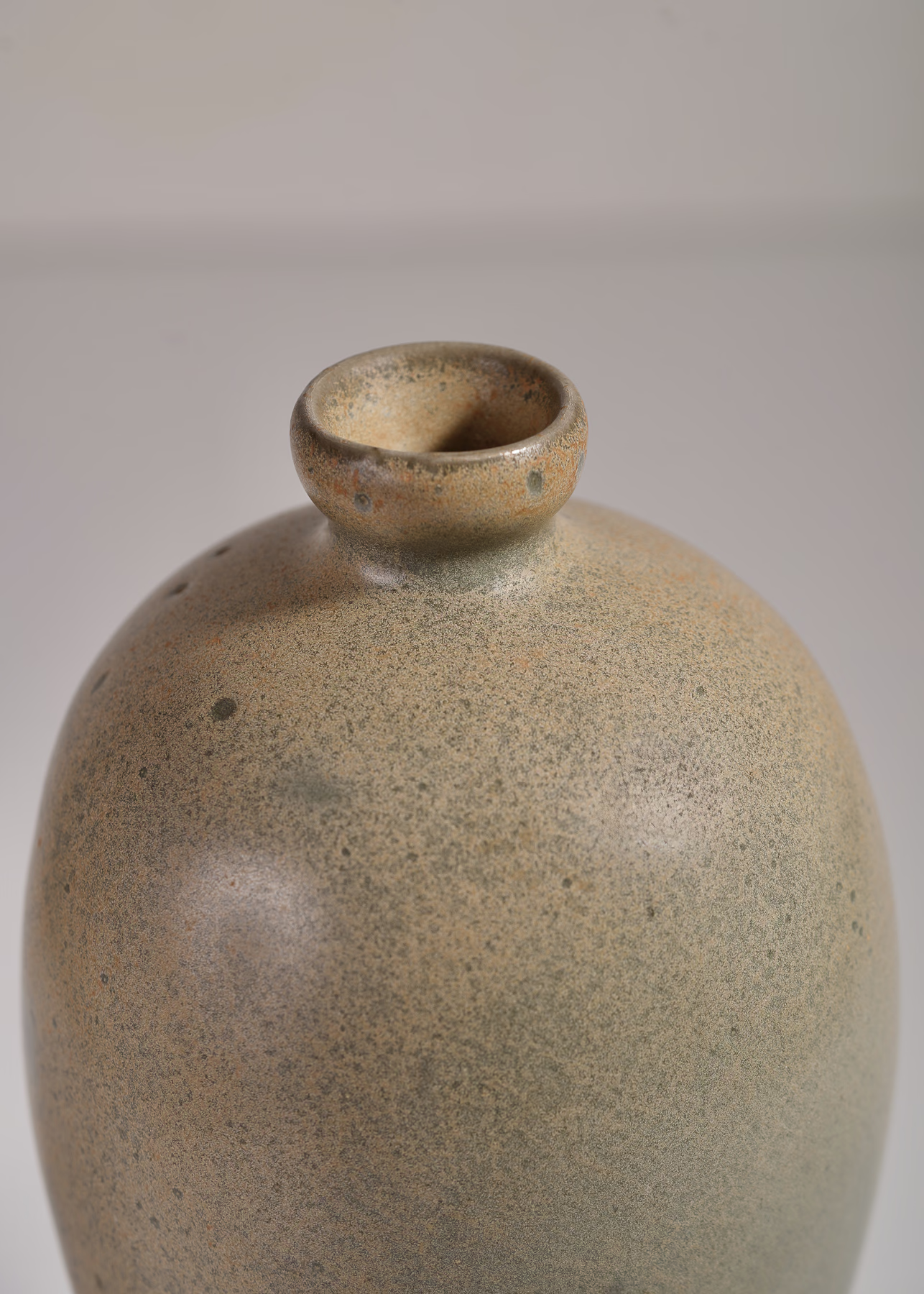
With its slender neck and full, tapering body, this bottle exemplifies the quiet refinement of northern celadon traditions. A thin bean-green glaze, finely speckled and faintly crackled, envelops the surface with a soft, glassy sheen. Produced at the Linru kilns in Henan, such wares translated the elegance of Ru ceramics into more modest, utilitarian forms. Their subtle tones and balanced proportions embody the Song ideal of restrained beauty and natural harmony.
This vessel reflects the enduring influence of courtly aesthetics within the artistry of regional folk kilns.
This bottle presents an elongated ovoid body tapering toward a narrow, flat base and rising to a short neck with a rounded lip. The form is modest yet harmonious, characterized by a softly swelling body and balanced proportions. The surface is covered in a thin layer of pale olive-green glaze, subtly mottled with darker speckles and a fine network of crackle. The glaze thins near the mouth and base, where the buff-gray body is faintly visible.
As a representative of Linru kiln production, this vessel reflects the essential qualities of northern folk celadons during the Song period—functional in purpose, modest in design, and refined in tone. The Linru kiln, one of the significant northern celadon centers closely related to the Yaozhou system, supplied both regional markets and general domestic use. Its wares embody a synthesis of practicality and quiet beauty, translating elite Song ceramic aesthetics into accessible forms for a broader audience.
The narrow mouth and ample ovoid body indicate use as a container for liquids such as wine or water. Bottles of this type were standard among northern Song folk kilns and served both domestic and ritual contexts. The restrained profile and subdued glaze capture the Song ideal of natural simplicity, showing how even non-official kilns reflected the refined sensibility of the period’s broader ceramic culture.
Comparable Linru bottles have been excavated from kiln sites at Yanhedian and Dayu in Ruzhou City, Henan, and are illustrated in Henan Linru Kiln Site Report (河南臨汝窯遺址報告). Similar olive-green glazes and dense grayish bodies appear on pieces in the Henan Museum and Palace Museum collections. Compared to Ru kiln examples, Linru wares present thicker walls, coarser texture, and glazes leaning toward bean-green or grey, rather than the translucent bluish tones of official wares. These shared technical traits confirm Linru’s position as a key northern celadon tradition bridging everyday use and aesthetic refinement.
The present bottle demonstrates all hallmarks of Linru production—thin bean-green glaze, dense grayish body, and utilitarian form refined by Song-period proportion. Linru wares, flourishing from the late Northern Song to Jin dynasty, adapted Ru ware aesthetics for regional use. Their subtle elegance and restrained palette reflect the widespread influence of Song taste beyond imperial workshops. This piece’s glaze color, body texture, and firing traces together support its attribution to the Linru kiln system in Henan Province.
Northern Song–Jin dynasty (ca. 11th–13th century)
Linru Kiln (臨汝窯), Henan Province