Physical Description
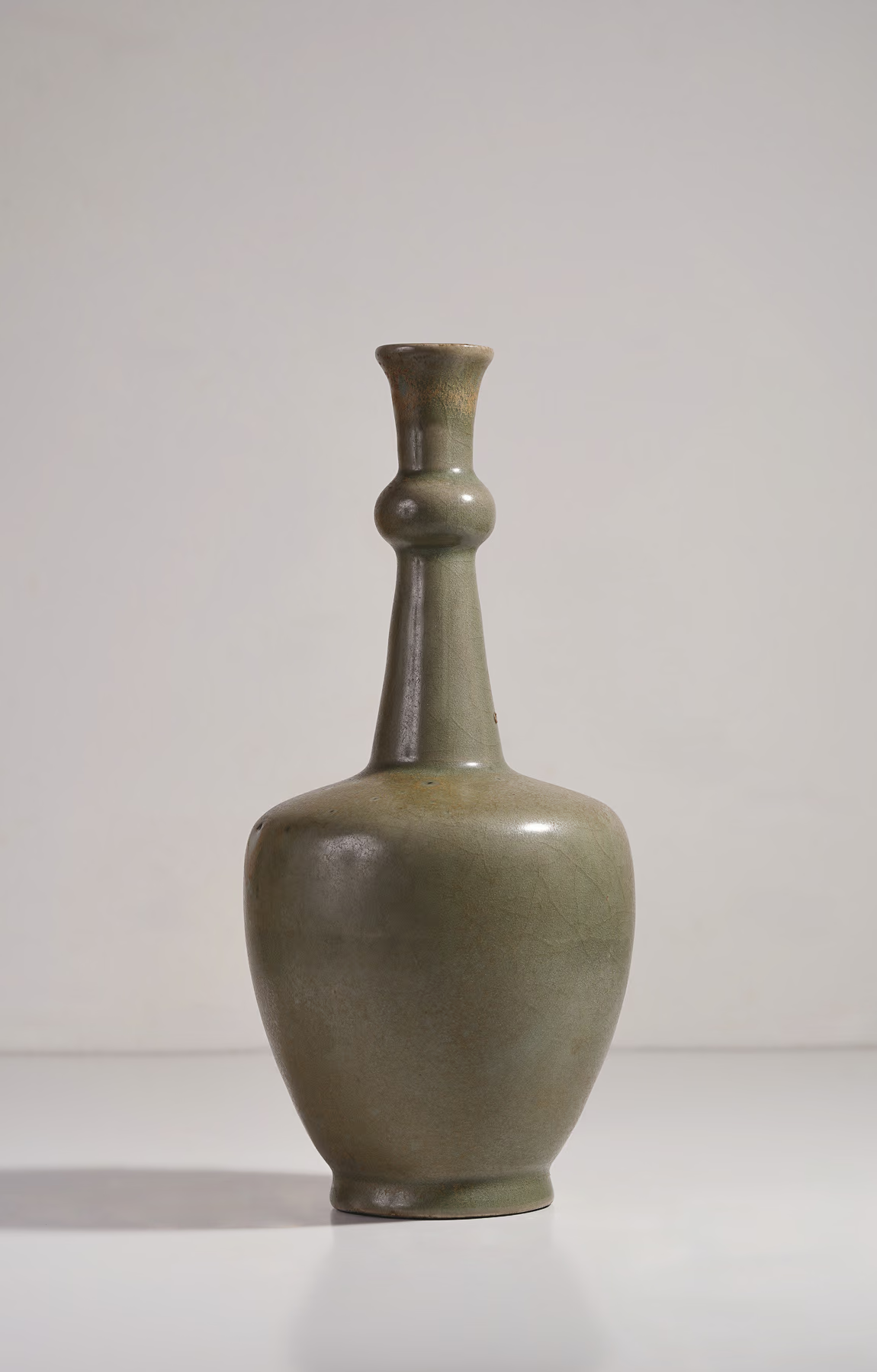
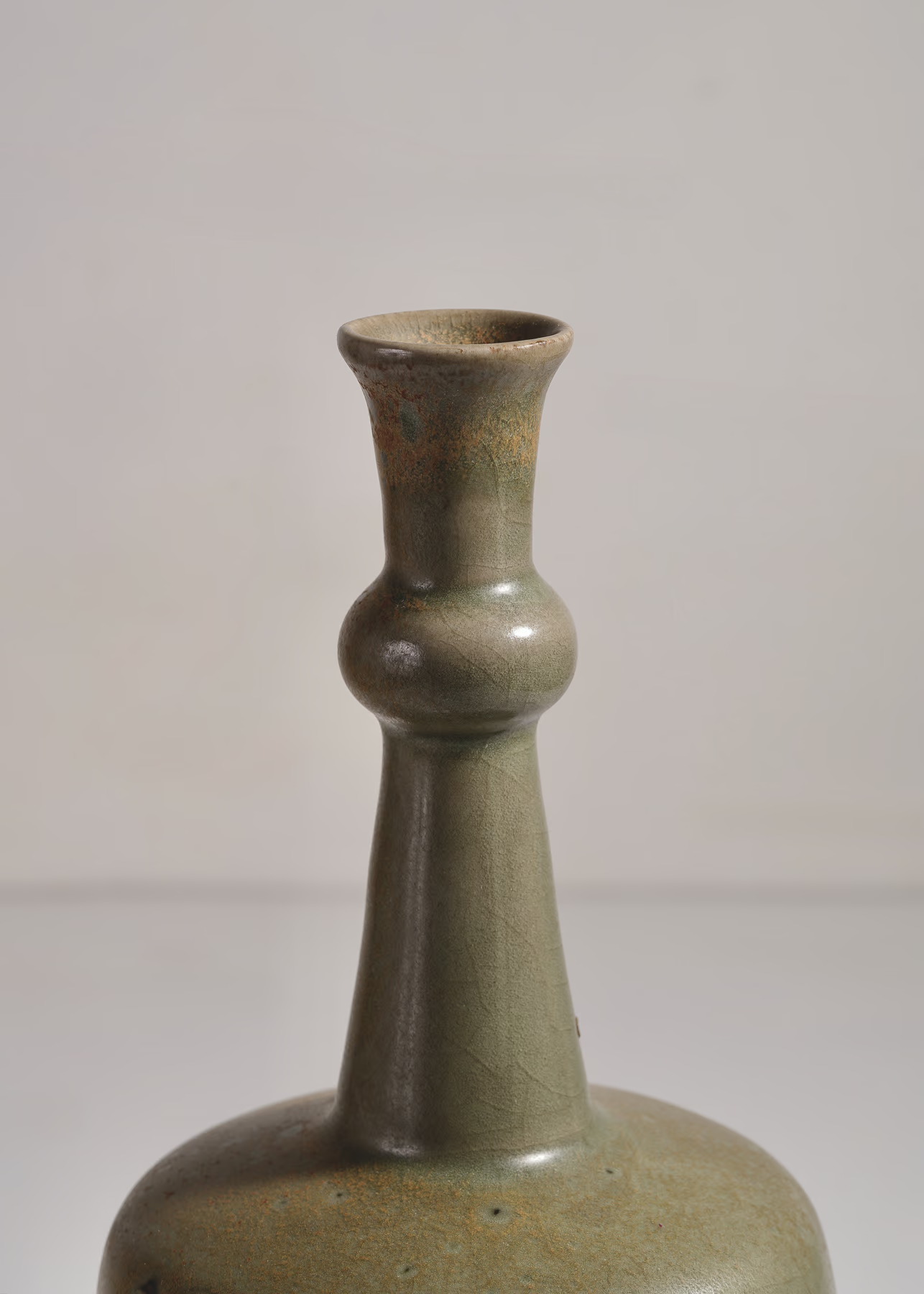
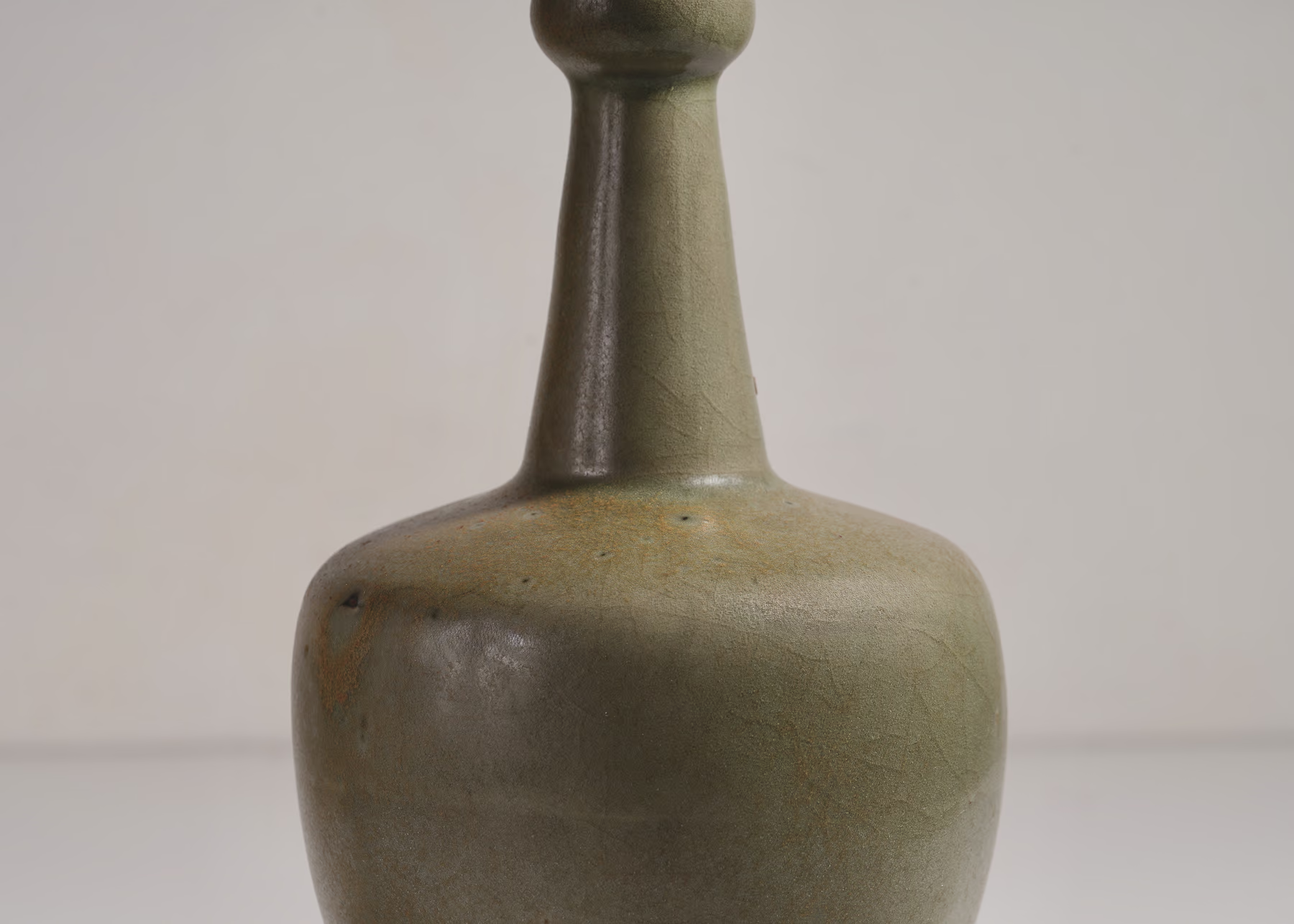
The vessel is a water purification bottle (净水瓶) of elegant, elongated proportions. It features a rounded, bulbous lower body rising to a tall, cylindrical neck, surmounted by a subtly articulated collar and a small knop-like terminal. The profile is continuous and restrained, emphasizing balance and verticality. The exterior is entirely covered with a monochrome celadon glaze, without applied or incised decoration, allowing the form and glaze quality to dominate the visual effect.
Glaze, Body & Foot
Glaze: The glaze is a soft olive- to gray-green celadon, evenly applied with subtle tonal variation. The surface exhibits fine pinprick pores and occasional iron speckling, characteristic of Ru-style and Linru-type glazes. The finish is matte to softly satin, lacking the high gloss of later southern celadons.
Body: The body is a dense, fine-grained stoneware, fired to a light gray-beige tone visible at areas of glaze thinning. The paste is compact and well levigated, consistent with northern kiln traditions of the late Northern Song–Jin period.
Foot: The base is unglazed and shows traces of firing supports, including spur marks and kiln adhesion scars. The foot treatment is functional rather than refined, reflecting Linru kiln practices distinct from the more controlled finishing of official Ru ware.
Form & Function
净水瓶 (water purification bottles) were used primarily in Buddhist and Daoist ritual contexts, serving to hold purified water for ceremonial or devotional purposes. During the late Northern Song and Jin periods, such vessels also embodied the contemporary literati aesthetic, favoring simplicity, restrained form, and subtle glaze effects. The understated elegance of this example aligns with northern tastes for quiet refinement rather than overt decoration.
Comparisons
Comparable Ru-style and Linru-type water purification bottles have been excavated from kiln sites in Linru, Henan Province, and are illustrated in Chinese archaeological publications. Related examples are preserved in major institutional collections, including the Palace Museum, Beijing, where Linru wares are recognized as an important regional counterpart to official Ru kiln production. Compared to palace Ru ware, Linru examples typically show slightly greener glaze tones, thinner glaze application, and less standardized finishing, all of which are consistent with the present piece.
Features Supporting Attribution
- Monochrome celadon glaze in the olive–gray-green spectrum associated with Linru kilns
- Fine pinholes and iron speckling typical of Ru-style northern celadons
- Dense northern stoneware body
- Spur marks and practical base treatment consistent with Linru kiln firing methods
- Form consistent with known Northern Song–Jin ritual water vessels
Attribution Note
The vessel’s glaze character, body composition, firing traces, and form collectively support an attribution to the Linru kiln complex, specifically the Duan Dian kiln site. The combination of Ru-style aesthetic influence with more utilitarian finishing distinguishes it from official Ru ware produced at Qingliangsi, situating it securely within the Linru tradition active during the late Northern Song and early Jin periods.
Proposed Attribution
Late Northern Song to Early Jin dynasty (c. 1080–1150 CE)
Duan Dian Linru Kiln (段店临汝窑), Henan Province
References
- Henan Provincial Institute of Cultural Relics and Archaeology, Linru Kiln Excavation Reports (临汝窑考古发掘报告).
- Palace Museum, Beijing, Ru Ware and Related Northern Celadons (汝窑及相关北方青瓷).
- Rose Kerr, Chinese Ceramics: Porcelain of the Song Dynasty, British Museum Press.
- Regina Krahl, Chinese Ceramics from the Meiyintang Collection, vol. I.